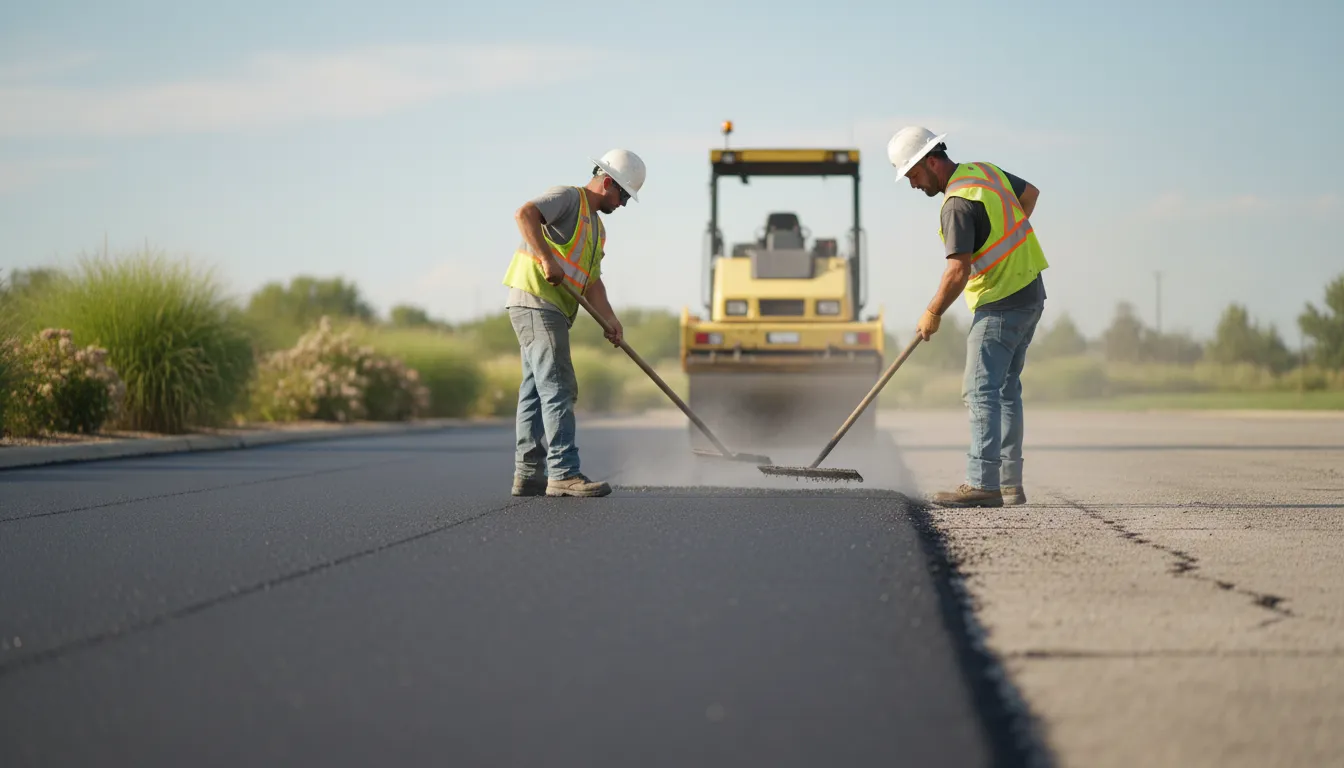
Find the Best Parking Lot Paving Contractors for Your Business
No obligation • Fast responses • Nationwide coverage
Why you can trust Tidy Parking
Tidy Parking is a leading U.S. source for parking lot maintenance services, including striping, sealcoating, sweeping, paving, resurfacing, and repairs. Our content is created independently, and providers cannot pay to influence ratings or recommendations.
Search providers near you
Top Parking Lot Paving Contractors in Brick, New Jersey Ranked
A durable, well-constructed parking lot is a critical asset for any business in Brick, New Jersey. It creates a safe first impression for customers, ensures efficient traffic flow, and protects your property investment. Parking lot paving is the comprehensive process of installing a new asphalt surface, which requires specialized knowledge of local soil conditions, coastal climate, and commercial traffic demands. This guide explains the key considerations, process, and costs for commercial asphalt paving in Brick, helping you make informed decisions when evaluating local paving services.
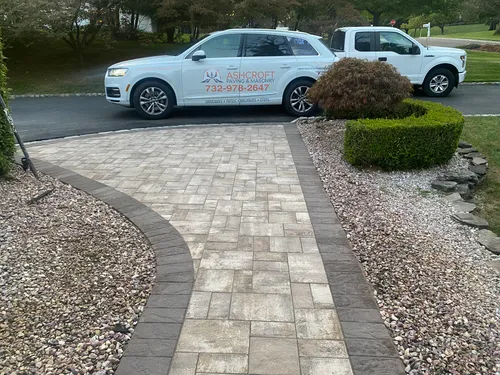
Ashcroft Paving & Masonry Matawan
100 Matawan Rd, Matawan, NJ 07747
Ashcroft Paving & Masonry Matawan is a parking lot paving contractor serving Edison, NJ. They specialize in installing and replacing various hardscapes, including driveways, patios, and paths. The team is experienced in delivering quality paving and masonry work with a focus on customer satisfaction.
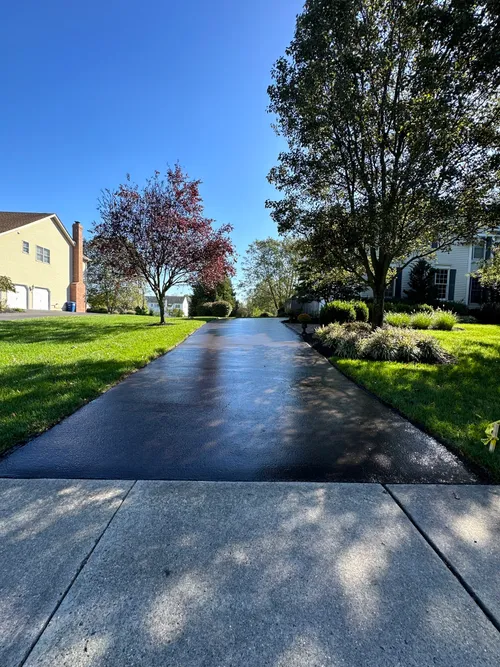
J.D Asphalt Maintenance and Sealcoating
Lakewood, NJ
J.D Asphalt Maintenance and Sealcoating is a parking lot sealcoating and paving contractor based in Lakewood, NJ. They provide a range of asphalt services including paving, resurfacing, repairs, and sealcoating. The company uses advanced equipment and quality materials to deliver smooth and durable surfaces, following a process that includes site preparation, grading, and asphalt installation. With years of experience in the asphalt industry, J.D Asphalt Maintenance and Sealcoating is equipped to handle projects of various sizes.
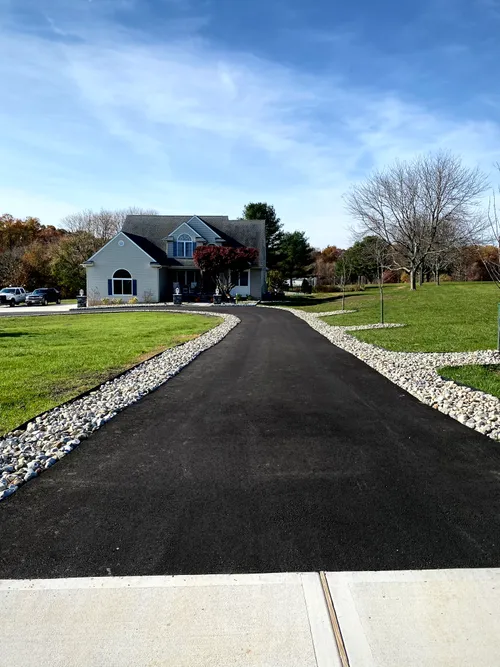
J & S Pave-Rite Paving
4 Cedarwood Ln, Jackson Township, NJ 08527
J & S Pave-Rite Paving is a family-owned paving company serving Lakewood, NJ, with over 30 years of experience in commercial, residential, and municipal asphalt paving. They offer a range of services including parking lot paving, seal coating, milling, resurfacing, and concrete work such as sidewalks and curbs. The company is equipped to handle large commercial and municipal projects and has completed work for clients like Wendy's and Gold's Gym in the region. With a history dating back to 1950, J & S Pave-Rite Paving emphasizes quality materials and workmanship to ensure long-lasting results.
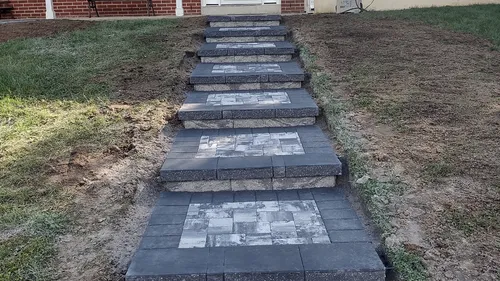
Marshalls Paving and Masonry
County Rd 516, Old Bridge, NJ 08857
Marshalls Paving and Masonry is a parking lot sealcoating, paving, resurfacing, and repair company serving New York, NY. They specialize in driveway and walkway paving, including complete dig outs and sealcoating, with a focus on traditional, hands-on methods. Customers have praised their thorough approach to removing old pavement and landscaping before paving. The business is known for its careful workmanship and customer care.
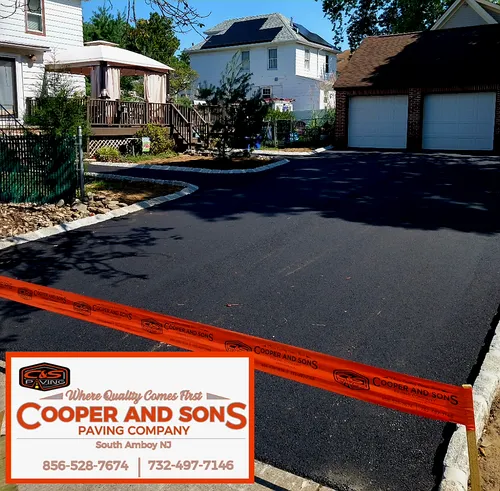
Cooper And Sons Paving
3010 Bordentown Ave, Parlin, NJ 08859
Cooper And Sons Paving is a family-owned asphalt paving contractor serving New York, NY, and surrounding areas. With over 50 years of experience, they provide a full range of residential and commercial paving services including parking lot paving, striping, sealcoating, resurfacing, and repair. Their expertise covers driveway paving, patching, crack filling, and installation of Belgian blocks and bumper posts. The company operates primarily in central New Jersey counties but extends services to nearby locations. Cooper And Sons uses quality materials and equipment to ensure durable pavement solutions tailored to each project.
Understanding the Paving Process for Brick, NJ Properties
A successful parking lot construction project is more than just laying asphalt; it's a multi-stage engineering process designed for longevity. For commercial properties in Ocean County, each step must account for specific local challenges to ensure the pavement lasts for years without major issues.
Site Assessment & Planning Every project begins with a thorough evaluation. Contractors will assess existing drainage patterns, soil type, and the anticipated weight and volume of traffic. A crucial part of planning in Brick is designing a proper slope-typically a 1-2% grade-to direct stormwater away from the building foundations and toward designated drainage areas or municipal sewers 1 2. This initial planning phase sets the stage for a stable foundation.
Excavation & Base Preparation The old surface, whether deteriorated asphalt, concrete, or gravel, is removed. For new construction, the native soil is excavated to the required depth. Given the prevalence of clay and sandy soils with high water tables in this area, soil stabilization is often necessary. Techniques like incorporating lime or installing geotextile fabric can be used to improve the load-bearing capacity of the subgrade and prevent future sinking or shifting.
Base Layer Installation The strength of a parking lot lies in its base. A robust foundation of 4 to 8 inches of densely graded aggregate (crushed stone) is laid and meticulously compacted with heavy machinery. This stone base acts as a stable platform, distributes the weight of vehicles, and facilitates subsurface drainage, which is vital in Brick's environment 3.
Asphalt Application & Compaction Hot-mix asphalt is then applied in layers. A thicker base coat is laid first, followed by a smoother surface course. The total thickness for a commercial lot in Brick is typically 3 to 4 inches. While the asphalt is still hot, specialized steel-wheel and pneumatic rollers compact it. Proper compaction is essential to remove air pockets, increase density, and create a unified, strong surface that resists deformation 4 5.
Finishing Touches Once the new asphalt has cured, the final markings are applied. This includes parking space striping, directional arrows, handicap-accessible stall symbols, and any necessary curbing or wheel stops. Applying a sealcoat after the asphalt has fully cured (usually 6-12 months) will protect the surface from fuel, oil, and UV damage, extending its lifespan.
Navigating Brick's Unique Paving Challenges
The coastal New Jersey environment presents specific obstacles that paving contractors in Brick must expertly manage. Ignoring these factors is a primary reason for premature pavement failure.
Drainage and Soil Issues
- High Water Table and Clay Soil: Many parts of Ocean County have soil compositions that trap moisture. Clay soils expand when wet and shrink when dry, creating movement that cracks asphalt from below. A high water table means the ground is perpetually saturated, weakening the subbase.
- Ponding Water: Standing water is the enemy of asphalt. It seeps into tiny cracks, softens the base, and breaks down the asphalt binder. In winter, this trapped water freezes and expands, rapidly accelerating the formation of potholes and alligator cracking 6.
- Solutions for Brick Properties: Experienced contractors address this with porous stone bases, proper grading, and integrated drainage systems like trench drains or catch basins. Ensuring water has a clear path to run off the lot is non-negotiable for a durable installation 7.
Climate Considerations
- Freeze-Thaw Cycles: New Jersey winters subject pavement to constant stress. Water that has infiltrated the base freezes and expands, pushing the asphalt upward. When it thaws, voids are left behind, leading to cracks and surface breaks 8.
- High Summer Temperatures: Intense summer heat can soften asphalt binder, making it susceptible to rutting-permanent indentations caused by repetitive tire loads, especially in areas where vehicles idle or turn 9.
- Material and Timing: To combat this, local pros use asphalt mixes specifically engineered for the region, such as NJDOT I-5 or 9.5 mm hot mix, which offer greater flexibility and durability. Paving is best scheduled for late spring through early fall when ambient temperatures are consistently above 50°F, ensuring proper bonding and compaction 10.
Find the perfect parking lot paving contractors for your needs
Get personalized recommendations and expert advice
Cost Factors for Commercial Asphalt Paving in Brick
The investment for a new parking lot surface in Brick varies based on the scope of work, site conditions, and materials. Understanding the cost structure helps in budgeting and comparing proposals.
Primary Cost Drivers
- Project Scope: The largest cost variable is the chosen method.
- Full Reconstruction: Removing all old material and building new from the ground up. This is the most durable and expensive option, typically ranging from $3.50 to $7.00 per square foot.
- Milling & Repaving: Grinding off the top layer of worn asphalt and replacing it with new asphalt. Costs generally range from $2.50 to $6.00 per square foot.
- Asphalt Overlay (Resurfacing): Installing a new layer of asphalt over an existing, structurally sound base. This is the most cost-effective surface renewal, ranging from $2.00 to $4.00 per square foot 11.
- Site-Specific Factors: Complexities like poor drainage requiring extensive regrading, unstable soil needing geotextile fabric (adding $0.14 - $0.22 per sq. ft.), or tight access for equipment can increase costs 12 13.
- Economies of Scale: Larger parking lots (e.g., for shopping centers or corporate campuses) often benefit from a lower per-square-foot cost compared to small, intricate lots due to the efficiency of mobilizing large equipment and purchasing materials in bulk 14.
Maintaining Your Newly Paved Investment
A new asphalt pavement is a significant investment that requires proactive care to maximize its service life. For Brick business owners, a maintenance plan is not an optional extra-it's a financial necessity.
Routine Maintenance Checklist
- Regular Cleaning: Keep the surface free of debris, dirt, and standing water to prevent staining and material breakdown.
- Prompt Crack Sealing: Within the first year and annually thereafter, inspect for and seal any small cracks. This prevents water intrusion, which is the root cause of most major repairs.
- Scheduled Sealcoating: Apply a protective coal tar or asphalt-based sealant every 2-3 years. This shields the surface from UV oxidation, gasoline, oil, and water, preserving the flexible binder within the asphalt 15.
- Drainage Inspection: After heavy rains, check for new areas of ponding and ensure all drains and catch basins are clear of obstruction.
Signs You Need Professional Evaluation Even with good maintenance, wear is inevitable. Contact a paving professional if you notice:
- Widespread alligator cracking (interconnected cracks resembling a reptile's skin).
- Persistent potholes or areas where the base has clearly failed.
- Significant rutting in driving lanes or areas where vehicles frequently stop.
- Sinking or failure around drainage structures 16 17. Addressing these issues early with targeted repairs like patching or infrared asphalt repair is far more economical than waiting for a complete failure that requires reconstruction.
Frequently asked questions
Sources
Footnotes
-
Why New Jersey Parking Lot Drainage Structures Fail - https://www.fixasphalt.com/testblog/nj-catch-basin-drainage-repair ↩
-
Parking Lot Paving in Malapardis, NJ - https://www.platinumpavingnj.com/our-services/parking-lot-paving/malapardis-nj/ ↩
-
How Long Does It Take to Build a Parking Lot with Asphalt Paving? - https://www.standardpavinginc.com/how-long-does-it-take-to-build-a-parking-lot-with-asphalt-paving/ ↩
-
The New Parking Lot Construction Process - Metro Paving INC - https://metropavinginc.com/2022/05/the-new-parking-lot-construction-process/ ↩
-
Paving Installation Steps - Project W - https://www.youtube.com/shorts/gpRqCEg76gg ↩
-
Identify Drainage Issues In Parking Lots Early - Pavemaster - https://pavemaster.com/identify-drainage-issues-in-parking-lots/ ↩
-
Asphalt Grading and Drainage: Why It Matters in the Desert - https://calvarypaving.com/asphalt-grading-and-drainage-why-it-matters-in-the-desert/ ↩
-
Weather and Environmental Breakdown of Parking Lot Pavement - https://buckbros.com/blog/environmental-breakdown-of-parking-lot-pavement/ ↩
-
Resilient Pavement Materials to Mitigate Impact of Climate ... - https://trid.trb.org/View/2124860 ↩
-
Can You Pave Asphalt in the Winter? Your Top Questions Answered - https://www.raleighpaving.com/resources/blog/can-you-pave-in-the-winter/ ↩
-
How Much Does It Cost to Pave a Parking Lot in NJ? (2025 ... - https://www.fixasphalt.com/blog/how-much-does-it-cost-to-pave-a-parking-lot-in-nj-2025-guide ↩
-
NJ Parking Lot Paving Cost Factors Union County - Fix Asphalt - https://www.fixasphalt.com/blog/nj-commercial-parking-lot-paving-9-0 ↩
-
How Much Does It Cost to Pave a Parking Lot in NJ? (2025 Guide) - https://www.fixasphalt.com/blog/how-much-does-it-cost-to-pave-a-parking-lot-in-nj-2025-guide ↩
-
What Does it Cost to Build a Parking Lot? - https://www.basecore.co/what-does-it-cost-to-build-a-parking-lot/ ↩
-
How Much Does It Cost To Sealcoat An Asphalt Parking Lot In NJ? (2025 Guide) - https://www.fixasphalt.com/blog/how-much-does-it-cost-to-sealcoat-an-asphalt-parking-lot-1 ↩
-
Commercial Parking Lot Repair in Brick, NJ - Fix Asphalt - https://www.fixasphalt.com/case-studies-north-jersey/parking-lot-repair-brick-new-jersey ↩
-
Top Signs Your Commercial Parking Lot Needs Asphalt Repair - https://www.crosscountrypaving.com/blog/top-signs-your-commercial-parking-lot-needs-asphalt-repair ↩