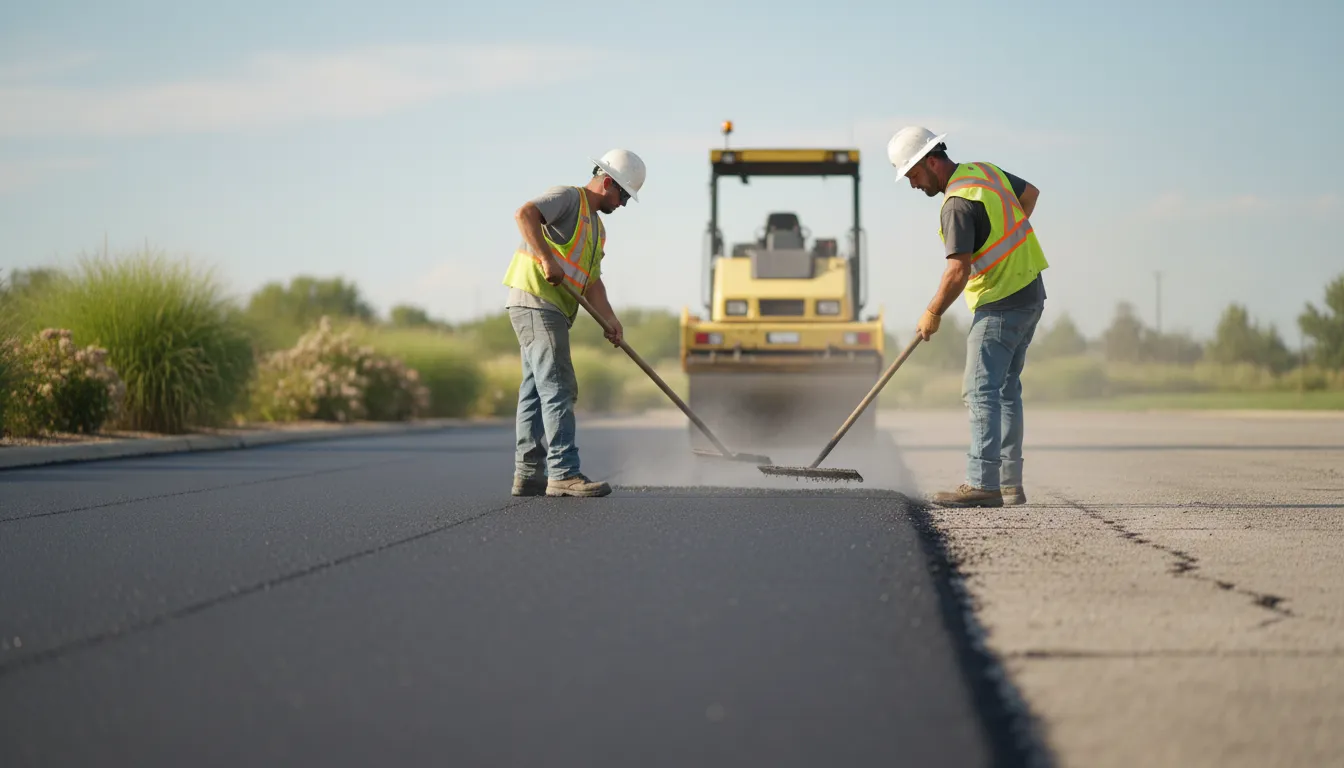
Find the Best Parking Lot Paving Contractors for Your Business
No obligation • Fast responses • Nationwide coverage

Why you can trust Tidy Parking
Tidy Parking is a leading U.S. source for parking lot maintenance services, including striping, sealcoating, sweeping, paving, resurfacing, and repairs. Our content is created independently, and providers cannot pay to influence ratings or recommendations.
Search providers near you
Top Parking Lot Paving Contractors in Concord, New Hampshire Ranked
A well-paved parking lot is a critical asset for any New Hampshire business or property, providing a safe, durable, and professional first impression. Given the state's challenging climate with intense freeze-thaw cycles, proper asphalt installation is not just about appearance-it's about long-term structural integrity and cost-effective maintenance. This guide explains the key considerations, from materials and design to costs and climate-specific techniques, to help you understand the process and effectively evaluate local paving professionals for your project.
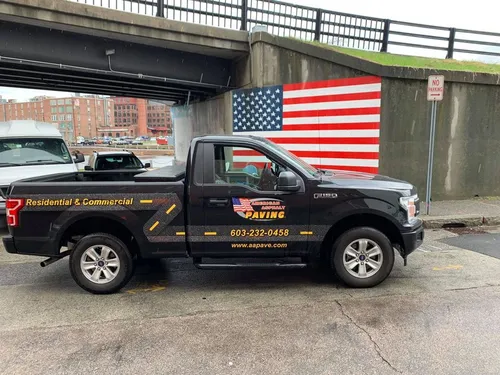
American Asphalt Paving, LLC
253 Londonderry Tpke, Hooksett, NH 03106
American Asphalt Paving, LLC is a parking lot paving contractor based in Manchester, NH, serving both residential and commercial clients throughout New Hampshire and parts of Massachusetts. The company offers services including parking lot paving, pavement maintenance, subdivision and condo paving, and driveway paving. They use locally sourced gravel and asphalt materials and maintain close supervision on each project to ensure client satisfaction. Established in 2000, American Asphalt Paving has built long-standing relationships with local suppliers and operates fully insured in compliance with state requirements.
Granite State Black Toppers
52 Londonderry Tpke, Hooksett, NH 03106
Granite State Black Toppers is a family-owned paving contractor serving Manchester, NH, and the surrounding Southern New Hampshire area. They provide residential and commercial asphalt services including parking lot paving, sealcoating, and resurfacing. The company uses premium-grade materials to ensure durable and long-lasting surfaces that withstand New England weather. With over 10 years of experience, Granite State Black Toppers focuses on quality workmanship and reliable service.
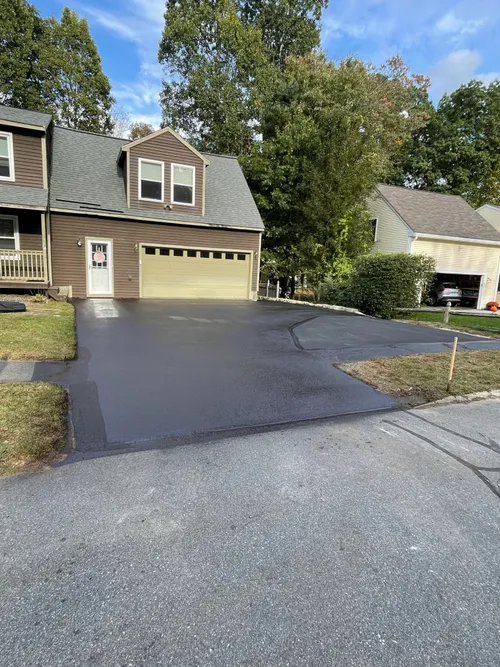
Pave It Asphalt Services
Manchester, NH
Pave It Asphalt Services is a paving and sealcoating contractor based near Manchester, NH. They provide residential, commercial, and municipal paving and sealcoating services, focusing on durable and visually appealing driveways and parking lots. With over 35 years of combined experience, the team offers expertise in asphalt sealcoating to protect and extend the life of pavement surfaces. The company has been serving the Hooksett and surrounding regions for more than a decade.
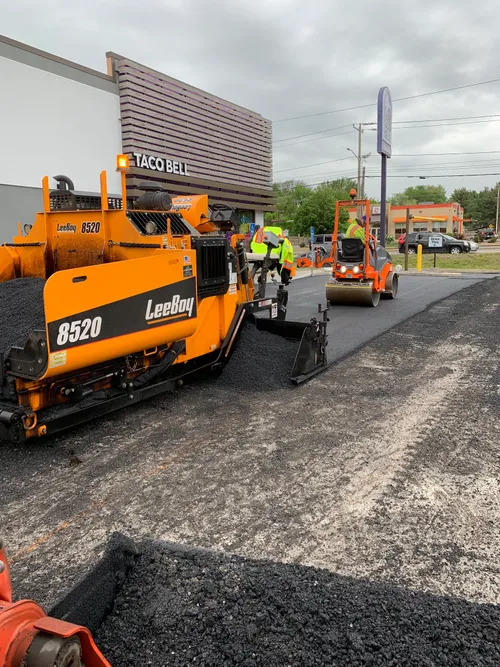
R. Cooper & Sons Paving
321 Fremont Rd, Chester, NH 03036
R. Cooper & Sons Paving is a family-owned paving contractor based near Manchester, NH. Serving Rockingham County and surrounding areas, they provide a range of services including driveway paving, asphalt repairs, parking lot striping, sealcoating, and coating. Established in 1960, the company has developed expertise in asphalt paving and excavating to meet various property needs efficiently.
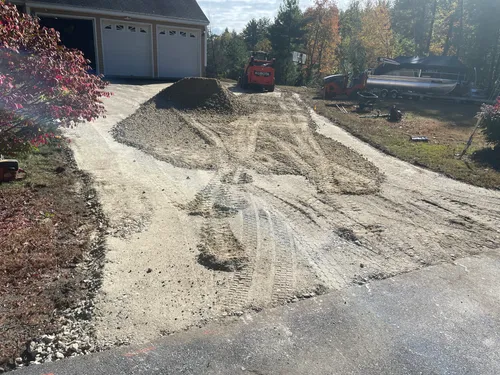
Tarmac Paving
Bedford, NH 03110
Tarmac Paving is a locally owned and family-operated asphalt paving contractor serving Manchester, NH, and northern Massachusetts. Since 2005, they have provided residential and commercial asphalt paving services, including new construction, resurfacing, repairs, sealcoating, and parking lot striping. Their capabilities cover a wide range of projects such as driveways, parking lots, sidewalks, curbs, and playgrounds. Tarmac Paving is fully licensed and insured, offering expertise for jobs of any size.
Understanding New Hampshire's Paving Climate
New Hampshire's weather is the single most important factor in parking lot design and construction. The annual cycle of freezing and thawing can rapidly degrade pavement that isn't built to specification. Water is the primary enemy; when it seeps into cracks and the sub-base, it freezes, expands, and causes heaving, cracking, and potholes.
To combat this, paving standards in the state often adhere to New Hampshire Department of Transportation (NHDOT) specifications, which emphasize deep, stable base preparation and efficient drainage. A critical rule is that pavement should not be installed when the air temperature is below 40°F or when the subgrade is frozen, as the asphalt will not achieve the necessary density and will fail prematurely 1 2. Consequently, the ideal paving window is from late spring through early fall, allowing the new surface to properly cure before winter sets in 3.
Key Materials and Asphalt Mixes
Choosing the right asphalt mix is essential for durability and performance in the Granite State.
- Hot-Mix Asphalt (HMA): This is the most common material for commercial parking lots. It is produced and laid at high temperatures (typically 250°F-300°F), which allows for excellent compaction and a dense, durable surface that resists water infiltration 4.
- Warm Mix Asphalt (WMA): An increasingly popular sustainable alternative, WMA uses additives to allow production and placement at lower temperatures. This can reduce fuel consumption, extend the paving season slightly, and is beneficial for projects in more remote areas of NH 5.
- Porous Asphalt: This is a highly recommended solution for managing New Hampshire's snowmelt and stormwater. The porous surface allows water to drain through the pavement into a stone reservoir below, where it slowly infiltrates into the soil. This significantly reduces runoff, helps filter pollutants, and mitigates the damaging effects of freeze-thaw cycles by preventing water from sitting on or in the pavement 6. It's important to note that sand should never be used for winter traction on porous pavement, as it will clog the system 6.
- Recycled Asphalt Pavement (RAP): Using recycled materials is both economical and environmentally friendly. RAP is approved for use in New Hampshire when it is properly processed and tested to meet state gradation specifications 7.
Design and Structural Specifications
A parking lot's longevity is determined by what's underneath the surface. Proper structural design is non-negotiable.
- Base Preparation: A strong, well-compacted sub-base of crushed stone is the foundation. It must be deep enough to support the asphalt and manage frost penetration. Inadequate base preparation is a leading cause of premature pavement failure 8.
- Asphalt Thickness: Thickness depends on the expected traffic load.
- Light-Duty (Passenger Cars): Typically requires 2.5 to 3 inches of asphalt over a 6 to 8-inch compacted gravel base.
- Heavy-Duty (Trucks/Industrial Traffic): May require 4 to 6 inches of asphalt, often installed in multiple layers (a binder course and a surface course) over a thicker, reinforced base.
- Grading and Slope: The entire parking area must be graded to direct water away from building foundations and toward drainage systems. A minimum slope of 1% (a 1-foot fall over 100 feet) is essential to prevent water from pooling on the surface 9.
Drainage and Stormwater Management
Effective drainage is legally and functionally crucial. New Hampshire regulations often require drainage systems to be designed for significant storm events.
- Surface Drainage: The graded slope channels water to catch basins and trench drains.
- Subsurface Systems: Catch basins connect to underground pipes that must discharge into approved stormwater management systems, such as sand filters or retention ponds, to prevent ground contamination and comply with local ordinances 10 11.
- Porous Pavement Systems: These serve as their own drainage solution, but they require a specific design with an underlying stone reservoir and careful consideration of the native soil's infiltration rate 12.
Cost Considerations for Parking Lot Paving in NH
The cost to pave a parking lot in New Hampshire is typically quoted per square foot and can vary widely based on size, materials, and site conditions. Prices generally range from $3.00 to $7.00 per square foot for full installation 13.
Here is a breakdown of estimated costs based on lot size:
| Lot Size/Type | Estimated Cost (Sq. Ft.) | Estimated Cost (Total) |
|---|---|---|
| Small Lot (5,000 sq. ft.) | $4.00 - $7.00 | $20,000 - $35,000 |
| Large Lot (20,000 sq. ft.) | $3.00 - $5.00 | $60,000 - $100,000 |
Smaller projects often have a higher cost per square foot due to fixed mobilization and minimum labor charges. Larger, open lots generally benefit from economies of scale.
Find the perfect parking lot paving contractors for your needs
Get personalized recommendations and expert advice
Several key factors influence the final price:
- Site Preparation: Costs increase if the project requires significant clearing, excavation, tree removal, or demolition of old pavement 14.
- Base Material: The price and amount of crushed stone for the sub-base is a major component.
- Traffic Load: Lots designed for heavy vehicles require more asphalt and a thicker base, increasing material costs 15 16.
- Drainage Complexity: Installing catch basins, piping, and stormwater management features adds to the project cost but is essential for longevity.
- Material Choice: Specialty mixes like porous asphalt may have a different cost profile than standard HMA.
Planning and Partnering with a Professional
A successful project starts with careful planning. Before contacting contractors, assess your property's needs, budget, and long-term use. When evaluating local paving experts, look for those with specific experience in New Hampshire's climate. They should be knowledgeable about NHDOT specifications, proper base construction, and effective drainage solutions for freeze-thaw regions. Ask for detailed quotes that break down costs for site work, materials, base construction, asphalt installation, and drainage. Always request references and examples of past commercial work, particularly projects that are several years old, to assess how their paving holds up over New Hampshire winters.
Frequently asked questions
Sources
Footnotes
-
Asphalt Paving Temperature: The 50°F Rule - https://rustonpaving.com/blog/cold-weather-asphalt-paving/ ↩
-
Off-Street Parking and Loading Requirements; Driveways and ... - https://ecode360.com/15051310 ↩
-
section vi. street standards. - Madison NH - https://www.madison-nh.org/wp-content/uploads/2011/09/Proposed-Subdivision-Regulations-Street-Standards-Section.pdf ↩
-
What Type of Asphalt Mix is Used in Your Parking Lot? - PLS - https://www.plsofflorida.com/asphalt-mix/ ↩
-
Choosing the Right Asphalt Mixes for Your Project - https://www.joemcasphaltservices.com/understanding-asphalt-mixes/ ↩
-
By Chuck MacDonald - https://www.vaasphalt.org/wp-content/uploads/2012/07/PorousPavementsWorkingInNorthernClimates.pdf ↩ ↩2
-
SECTION 401 DIVISION 400 - PAVEMENTS - NH.gov - https://mm.nh.gov/files/uploads/dot/remote-docs/2010-division-400.pdf ↩
-
How to Prepare for Professional Parking Lot Paving - https://www.raffertypavingteam.com/blog/2025/april/how-to-prepare-your-property-for-professional-pa/ ↩
-
Preventing Parking Lot Injuries: Slope, Condition, and Lighting ... - https://www.thesilverlining.com/hubfs/LC1008%23%20Parking%20Lot%20Condition%20Considerations%20-%207-25.pdf ↩
-
Chapter 218: Stormwater Management and Erosion Control - https://ecode360.com/32216858 ↩
-
[S] 1018.0 Parking Garage Drainage Systems - UpCodes - https://up.codes/s/parking-garage-drainage-systems ↩
-
TE TETRA TECH - Sudbury - https://cdn.sudbury.ma.us/wp-content/uploads/sites/257/2014/08/SupplementalPorousPavementInformationalLetter_110711.pdf?version=63f42e9a98da67ed9de617542946190a ↩
-
How Much Does It Cost to Pave a Parking Lot Per Square Foot ... - https://aapave.com/how-much-does-it-cost-to-pave-a-parking-lot-per-square-foot-in-new-hampshire/ ↩
-
How to Prepare Your Property for Professional Parking Lot Paving - https://www.raffertypavingteam.com/blog/2025/april/how-to-prepare-your-property-for-professional-pa/ ↩
-
The Essential Guide To Asphalt Thickness For Parking Lots - https://www.royalpavementsolutions.com/the-essential-guide-to-asphalt-thickness-for-parking-lots/ ↩
-
Asphalt - Understanding the Cost of Asphalt Paving: A Guide to Project Complexity and Material Pricing - https://www.welovepaving.com/understanding-the-cost-of-asphalt-paving-a-guide-to-project-complexity-and-material-pricing/ ↩