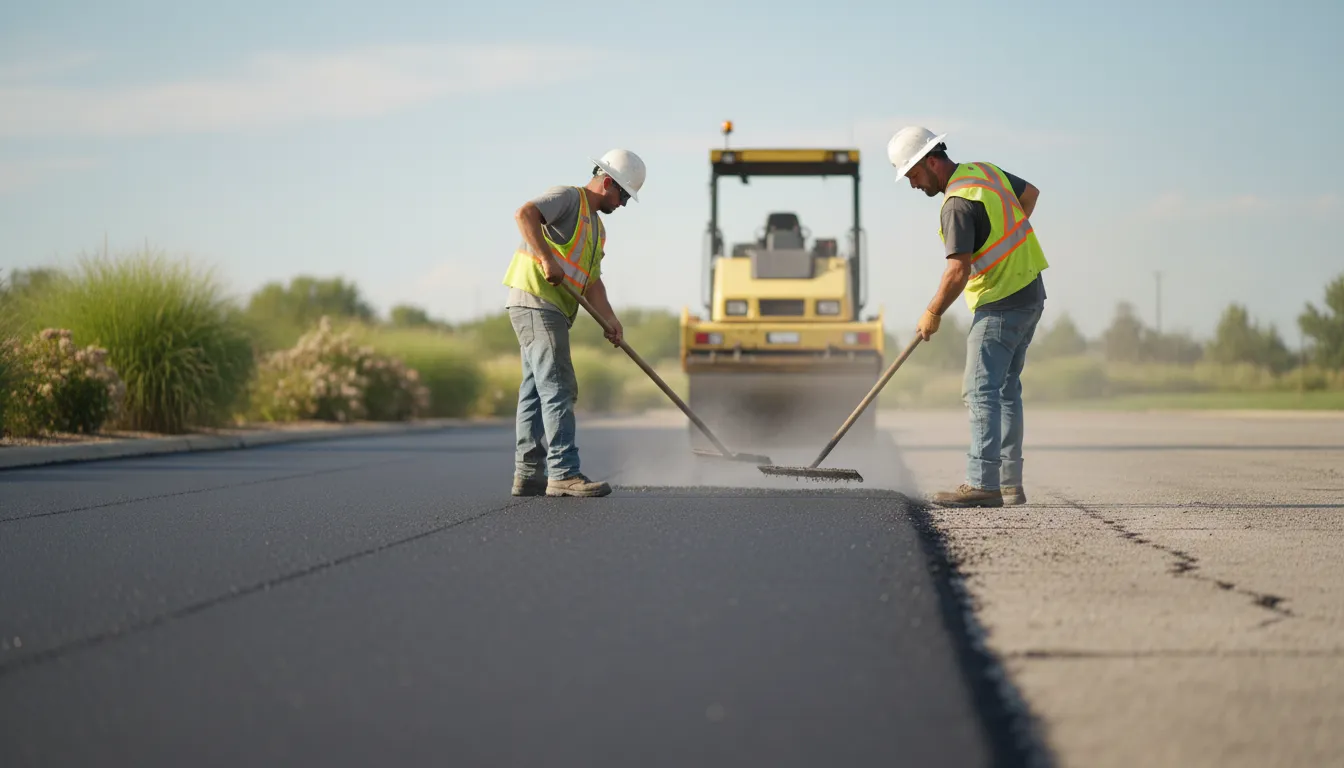
Find the Best Parking Lot Paving Contractors for Your Business
No obligation • Fast responses • Nationwide coverage

Why you can trust Tidy Parking
Tidy Parking is a leading U.S. source for parking lot maintenance services, including striping, sealcoating, sweeping, paving, resurfacing, and repairs. Our content is created independently, and providers cannot pay to influence ratings or recommendations.
Search providers near you
Top Parking Lot Paving Contractors in Medford, Massachusetts Ranked
A properly paved parking lot is a critical asset for any Massachusetts business, providing safe access for customers and protecting your property investment. The state's challenging climate, with its severe freeze-thaw cycles, and its strict environmental and accessibility regulations make professional asphalt installation essential. This guide explains the key specifications, costs, and compliance requirements for commercial parking lot paving in Massachusetts, helping you understand what to look for when evaluating local paving professionals for your project.
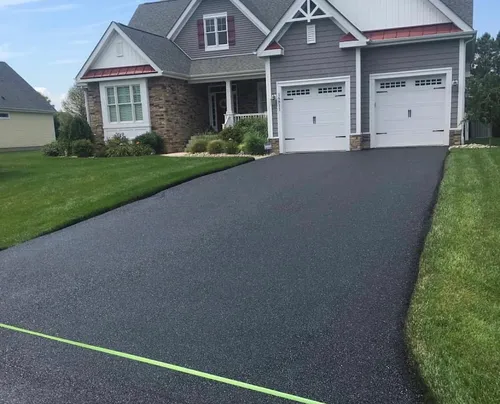
Baystate Sealcoating & Paving
166 Cross St, Winchester, MA 01890
Baystate Sealcoating & Paving is a parking lot striping, sealcoating, paving, and repair company serving Boston, MA. They provide a full range of asphalt maintenance services including driveway sealcoating, crack filling, pothole repair, parking lot maintenance, and line striping. Their capabilities include professional asphalt paving and protective sealant application designed to extend the life of asphalt surfaces and improve safety and appearance. Baystate Sealcoating & Paving serves multiple cities across Massachusetts and is known for using top-grade materials and thorough preparation to ensure durable results.
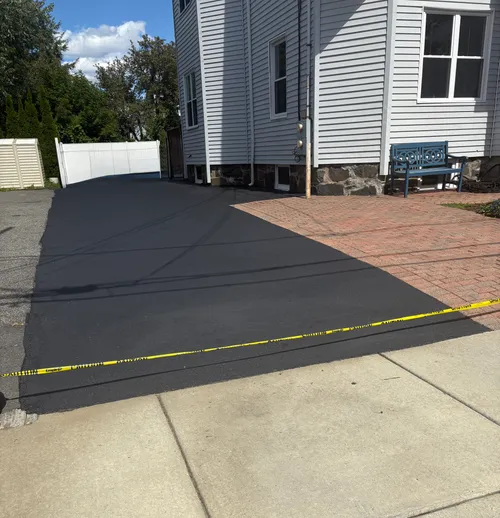
Pave Tech LLC
27 Wendell Rd, Newton, MA 02459
Pave Tech LLC is a licensed and insured paving contractor serving Boston, MA, and the Greater Boston area. With 30 years of experience in commercial and residential paving, hardscaping, and masonry, they offer services including driveway and parking lot paving, asphalt milling, demolition, excavation, drainage systems, and snow removal. They focus on quality asphalt materials and thorough ground preparation to prevent drainage issues and ensure durability. Their team provides detailed project timelines and ongoing maintenance checklists to support long-term property care.
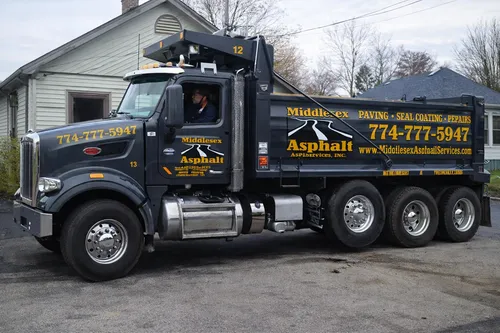
Middlesex Asphalt Services Inc
6 Oregon Rd, Southborough, MA 01772
Middlesex Asphalt Services Inc is a parking lot paving and repair contractor based in Worcester, MA. They specialize in driveway and parking lot paving, asphalt patching, and repair services. Their work focuses on creating smooth, crack-free surfaces that help protect against moisture and reduce maintenance needs. With 15 years of experience, Middlesex Asphalt Services offers quality workmanship to improve the appearance and durability of asphalt surfaces.
M.Bannon Corp
39 Millstone Rd #2, Boston, MA 02136
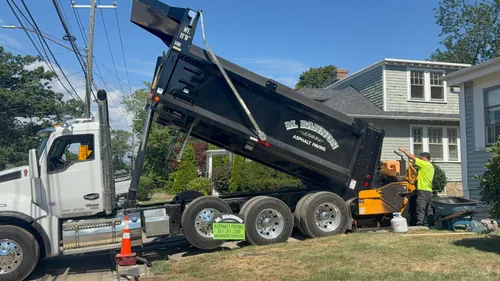
M.Bannon Corp is a paving contractor based in Boston, MA, specializing in driveway paving, parking lot resurfacing, and repairs. They also offer hardscaping services such as patios, walkways, and retaining walls, along with drainage solutions including drywells and trench drains. The company serves residential and commercial clients throughout the Greater Boston area. Known for using quality materials and advanced techniques, M.Bannon Corp focuses on durable results and customer collaboration to meet project needs and timelines.
Bob Muldoon Paving
121 Concord St, Lowell, MA 01852
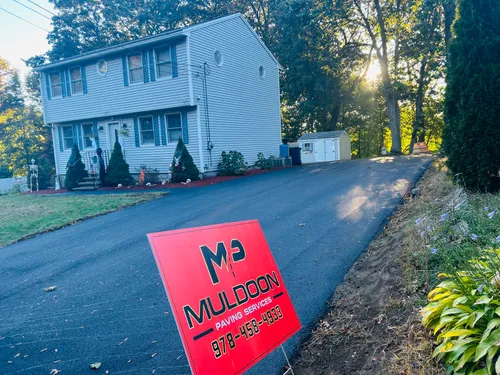
Bob Muldoon Paving is a family-owned paving contractor based in Lowell, MA, serving residential, industrial, and commercial clients in Northeastern Massachusetts and Southern New Hampshire. Established in 1947, the company offers a full range of asphalt and concrete services including paving, patching, overlay, concrete installations, catch basin repairs, and drainage solutions. Their team handles projects of all sizes with a focus on meeting schedules and delivering precise results. Bob Muldoon Paving is fully licensed and insured, providing trusted expertise in parking lot paving and repair.
Understanding Massachusetts Paving Challenges
Paving in Massachusetts isn't just about laying asphalt; it's about engineering a surface that can survive specific local stressors. The primary challenge is the freeze-thaw cycle. Water that seeps into pavement or its base freezes and expands, causing cracks, potholes, and heaving. A second major factor is stormwater management. Massachusetts operates under a Municipal Separate Storm Sewer System (MS4) permit program, which strictly regulates runoff from paved surfaces to protect waterways. Finally, high traffic loads from daily commercial use demand a structurally sound design to prevent premature rutting and failure.
Ignoring these factors can lead to costly repairs, safety liabilities, and non-compliance fines. A pavement system designed for Massachusetts conditions addresses these issues from the ground up, starting with a robust foundation.
Structural Design & Depth Requirements
The longevity of your parking lot depends heavily on what lies beneath the surface. A multi-layer system is standard to distribute weight and manage moisture.
- Subgrade Preparation: The native soil must be properly compacted and stable. Unstable or organic soils may need to be removed and replaced with suitable fill material 1.
- Base Course: This is the most critical layer for preventing frost damage. Massachusetts specifications often recommend a 10 to 12-inch depth of well-compacted, processed gravel or crushed stone 2. This granular base allows water to drain away from the pavement structure, preventing it from freezing underneath.
- Asphalt Layers: The asphalt itself is typically installed in two courses:
- Binder Course: A 2-inch layer of sturdy, coarse-graded asphalt (often meeting MassDOT Class I bituminous concrete specifications) that provides structural strength.
- Surface Course: A 1 to 2-inch top layer of fine-graded, dense hot mix asphalt (HMA) that provides a smooth, durable, and weather-resistant riding surface 3.
This results in a total asphalt thickness of 3 to 4 inches over a substantial base, creating a system capable of handling commercial traffic and New England weather.
Recommended Asphalt Mixes for Performance
Not all asphalt is the same. For longevity in Massachusetts, the mix must be designed for temperature extremes.
- Performance Graded (PG) Binders: Asphalt cement is graded based on the temperatures it must withstand. For Massachusetts, common performance grades are PG 64-28 (suited for a wide range) or PG 52S-34 (excellent for colder regions and added flexibility). These mixes resist both high-temperature rutting in summer and low-temperature cracking in winter.
- High-Performance Overlay Mixes (HPOL): For high-traffic areas like entrances and aisles, consider advanced mixes like Stone Matrix Asphalt (SMA) or Asphalt Rubber Gap Graded (ARGG). These mixes, used by MassDOT, offer superior resistance to rutting, cracking, and wear4 5.
- Warm Mix Asphalt (WMA): This technology allows asphalt to be produced and placed at lower temperatures, offering environmental benefits, improved compaction, and the ability to pave effectively during cooler shoulder seasons6.
Find the perfect parking lot paving contractors for your needs
Get personalized recommendations and expert advice
Critical Regulations and Design Standards
Compliance is non-negotiable. Key regulations governing parking lot construction in Massachusetts include:
- ADA & Massachusetts Architectural Access Board (MAAB): All parking lots must comply with the Americans with Disabilities Act (ADA) and the stricter 521 CMR regulations enforced by the MAAB. This governs the number, size, location, and slope of accessible parking spaces, as well as accessible route design.
- Dimensional Standards:
- Standard Stalls: Typically 9 feet wide by 18 feet deep.
- Aisles: A minimum width of 24 feet is common for two-way traffic and angled parking.
- Stormwater Management (MS4): New and redeveloped parking lots must manage runoff to reduce pollutants and volume. Strategies include7 8 9:
- Minimum Slope: Pavement must have a minimum 1% slope (1/8" per foot) to prevent ponding10.
- Oil-Water Separators: Catch basins often require deep sumps or hoods to separate oils and sediments.
- Low Impact Development (LID): Integrating pervious pavement or directing runoff to vegetated biofiltration basins (often within required landscape islands) is encouraged to meet runoff reduction goals.
- Landscaping Requirements: Many municipalities require interior landscaping for lots with five or more spaces. A common standard is one tree per five parking spaces and dedicating 5% of the lot's interior to landscaped islands, which also help mitigate the urban heat island effect11 12.
Cost Factors for Parking Lot Paving in Massachusetts
Paving costs are highly variable, depending on project scope, site conditions, and material choices. Statewide, the cost for commercial asphalt paving generally ranges from $2.50 to $7.00 per square foot13 14.
- Small Project (e.g., 5,000 sq. ft.): $12,500 - $35,000+. Smaller projects often have a higher cost per square foot due to fixed mobilization costs.
- Large Project (e.g., 50,000 sq. ft.): $125,000 - $350,000+. Economies of scale typically apply for larger areas.
Key factors influencing cost include:
- Excavation & Site Work: Removing poor soil or existing pavement adds expense.
- Base Material Depth & Quality: A full, 12-inch gravel base is a significant cost but a vital investment.
- Asphalt Mix Type: High-performance mixes (SMA, ARGG) cost more than standard HMA.
- Drainage Infrastructure: Installing catch basins, piping, and bio-retention areas.
- Accessibility Upgrades: Installing compliant ramps, striping, and signage.
- Permitting Fees: Local and state permit costs.
Maintenance and Long-Term Considerations
A well-paved lot requires proactive care. After installation, a high-quality sealcoat should be applied after the asphalt has fully cured (typically 6-12 months) and reapplied every 2-3 years to protect against oxidation, oil spills, and water penetration. Promptly crack-filling in the spring and fall is crucial to prevent water intrusion into the base. Regular sweeping keeps drainage systems clear and removes abrasive debris.
Planning for snow management is also part of the design. The pavement structure must support the weight of plows and stockpiled snow, and clear zones must be designated for snow storage without damaging landscaping or blocking access15.
Frequently asked questions
Sources
Footnotes
-
Trusted Parking Lot Paving Services - Asphalt Solutions - https://www.asphaltinyoungstown.com/trusted-parking-lot-paving-services/ ↩
-
The Foundation: A Key Component to Parking Lots and Driveways - Ricks Paving and Sealing - https://rickspaving.com/the-foundation-a-key-component-to-parking-lots-and-driveways/ ↩
-
Parking Lots Paving - Hot Mix Asphalt (HMA) Recommendations - https://www.wsbeng.com/parking-lots-paving-hot-mix-asphalt-hma-recommendations/ ↩
-
Optimizing of MassDOT's High Performance Asphalt Overlay (HPOL) ... - https://www.mass.gov/doc/optimizing-of-massdots-high-performance-asphalt-overlay-hpol-mixtures-research-summary/download ↩
-
Section 5 - Roadway Construction Standards - Natick, MA - https://www.natickma.gov/DocumentCenter/View/3384 ↩
-
QCML Criteria for Warm Mix Asphalt Additives - Mass.gov - https://www.mass.gov/info-details/qcml-criteria-for-warm-mix-asphalt-additives ↩
-
Volume 2 Chapter 2: Structural BMP Specifications for the ... - https://www.mass.gov/files/documents/2016/08/qi/v2c2.pdf ↩
-
974 CMR 3.04 Site Plan - Devens Enterprise Commission - https://devensec.com/rules-regs/decregs304.html ↩
-
MS4 Street Design and Parking Lots Report | Fitchburg, MA - https://www.fitchburgma.gov/DocumentCenter/View/10241/MS4-Street-Design-and-Parking-Assessment-Report ↩
-
Preventing Parking Lot Injuries: Slope, Condition, and Lighting ... - https://www.thesilverlining.com/hubfs/LC1008%23%20Parking%20Lot%20Condition%20Considerations%20-%207-25.pdf ↩
-
Off-street parking must be provided to service t - Manchester MA - https://www.manchester.ma.us/DocumentCenter/View/4855/Section-6-may-8-tracked-1 ↩
-
Off-street parking must be provided to service t - Manchester MA - https://www.manchester.ma.us/DocumentCenter/View/4855/Section-6-may-8-tracked-1 ↩
-
The Parking Lot Asphalt Paving Specifications That Will Keep ... - https://cassidypaving.com/the-parking-lot-asphalt-paving-specifications-that-will-keep-your-government-building-up-to-code/ ↩
-
How to Budget for Commercial Parking Lot Paving Projects - https://thepavementgroup.com/how-to-budget-for-commercial-parking-lot-paving-projects/ ↩
-
Things to Consider Before Paving an Asphalt Parking Lot - https://bitroads.com/About-Us/Blog/entryid/35/things-to-consider-before-paving-an-asphalt-parking-lot ↩