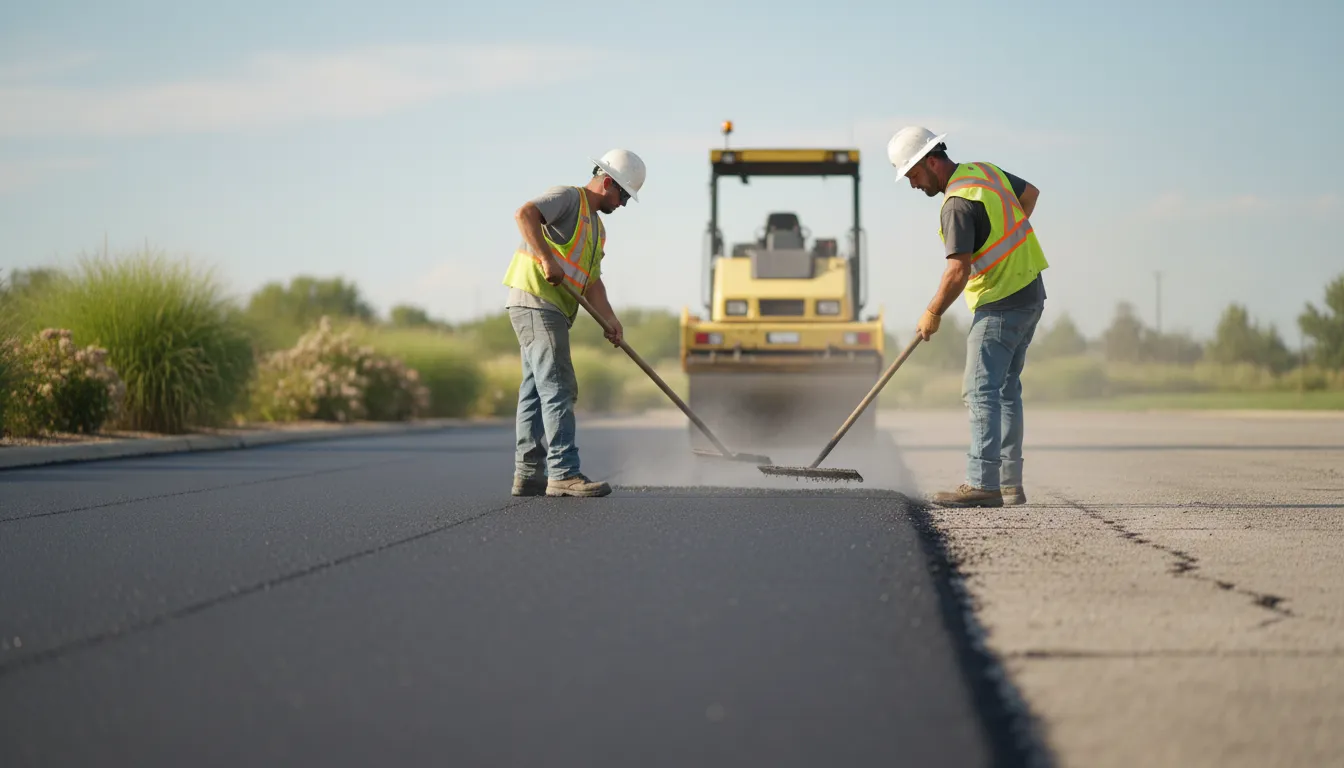
Find the Best Parking Lot Paving Contractors for Your Business
No obligation • Fast responses • Nationwide coverage
Why you can trust Tidy Parking
Tidy Parking is a leading U.S. source for parking lot maintenance services, including striping, sealcoating, sweeping, paving, resurfacing, and repairs. Our content is created independently, and providers cannot pay to influence ratings or recommendations.
Search providers near you
Best Parking Lot Paving Contractors in Arizona Ranked
A well-paved parking lot is a critical asset for any Arizona business, providing a safe, durable, and professional first impression for customers. In Arizona's extreme climate, proper asphalt installation is not just about appearance-it's about engineering a surface that can withstand blistering heat, intense UV radiation, and sudden monsoon deluges. This guide explains the specialized considerations, materials, and processes required for successful parking lot paving in the state, helping you understand what to look for and how to plan your project.
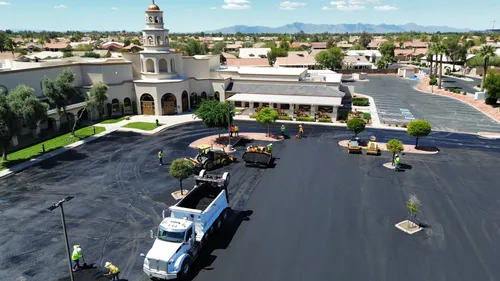
Empire Paving & Maintenance LLC
720 S Smith Rd Ste 105, Tempe, AZ 85288
Empire Paving & Maintenance LLC is a parking lot paving and maintenance company serving Phoenix, AZ, and the entire state of Arizona. They provide a range of services including asphalt paving, crack sealing, striping, sealcoating, concrete repairs, and parking lot resurfacing for residential, commercial, and industrial properties. Their capabilities include asphalt removal and replacement, overlays, milling, and effective crack sealing to extend pavement life. The company is licensed, bonded, and insured with over 10 years of experience in the industry.
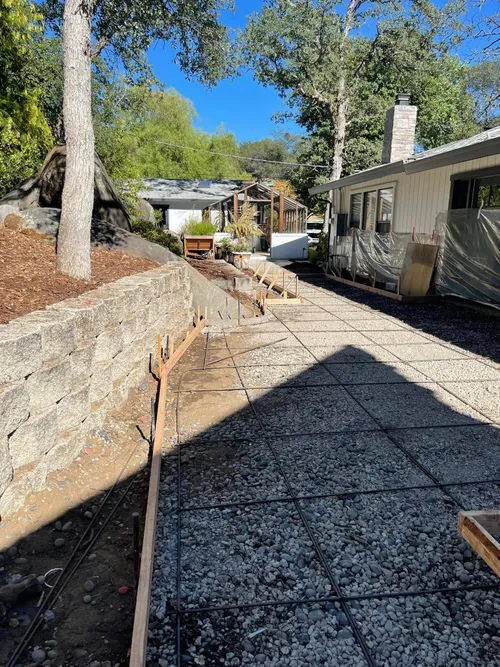
Western Asphalt Solutions
Phoenix, AZ
Western Asphalt Solutions is an asphalt contractor based in Phoenix, AZ, providing services for residential and commercial clients. They specialize in asphalt paving, patching, striping, sealcoating, driveway installation, and parking lot construction and repair. Their team uses premium materials designed for Arizona's climate to ensure durable and long-lasting surfaces. The company has years of experience and focuses on customized solutions to meet specific project needs. They also emphasize sustainability by using environmentally friendly materials when possible.
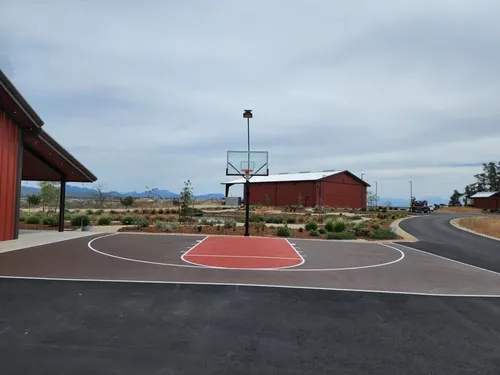
Progressive Asphalt Solutions
Phoenix, AZ
Progressive Asphalt Solutions is a locally owned asphalt contractor serving Phoenix, AZ. They provide a full range of asphalt services including paving, patching, striping, sealcoating, and driveway installation for both residential and commercial clients. The company uses high-quality materials and modern equipment to deliver durable asphalt surfaces designed to withstand the challenges of the Arizona climate. With years of experience, Progressive Asphalt Solutions focuses on tailored solutions and clear communication to meet client needs effectively.
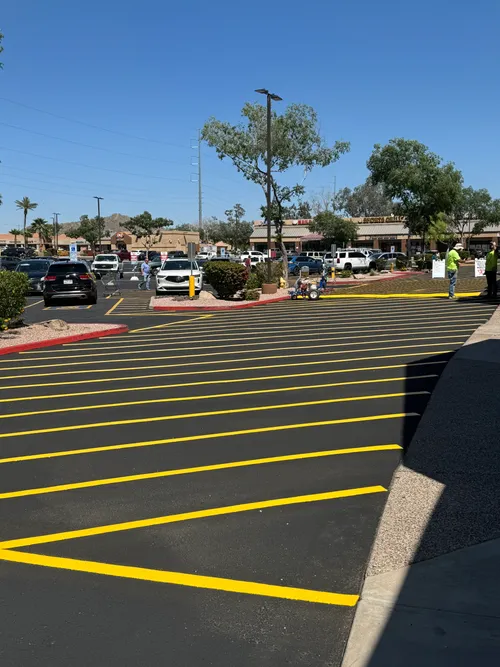
American Supreme Paving & Sealcoating
8614 N 26th Ave, Phoenix, AZ 85021
American Supreme Paving & Sealcoating is a parking lot paving and repair company based in Phoenix, AZ. They offer services including patching, crack sealing, sealcoating, and line striping to improve the durability and appearance of parking lots and driveways. With over a decade of experience, the company uses high-quality products to protect pavement from extreme weather and extend its lifespan. They serve the entire Phoenix valley area.
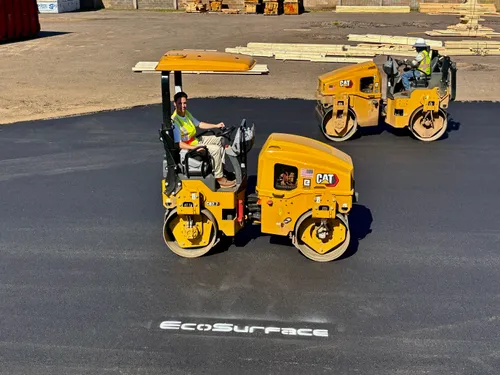
EcoSurface, LLC
2390 E Camelback Rd Suite 130, Phoenix, AZ 85016
EcoSurface, LLC is a parking lot striping, sealcoating, paving, and repair company based in Phoenix, AZ. They offer a wide range of services including asphalt paving, patching, crack sealing, seal coating, striping, and concrete maintenance. With over 50 years of combined industry experience, EcoSurface has completed more than 2,600 projects since 2002. Their capabilities include environmentally conscious asphalt solutions and advanced seal coating technology to extend pavement lifespan.
Why Arizona's Climate Demands Specialized Paving
Arizona's environment presents a unique set of challenges for pavement. Understanding these factors is the first step toward a long-lasting installation.
- Extreme Heat and UV Exposure: Surface temperatures on asphalt can exceed 150°F during summer months. This heat softens the asphalt binder, making it susceptible to rutting and deformation from vehicle loads. Simultaneously, UV rays cause oxidation, which dries out the asphalt, making it brittle and prone to cracking and raveling (where aggregate stones loosen from the surface) 1.
- Monsoon Rains: The sudden, intense rainfall of the monsoon season tests a parking lot's drainage system like nowhere else. Standing water is a pavement's enemy, seeping into cracks and base layers, causing erosion, base failure, and rapid pothole formation.
- Thermal Cycling: The significant temperature swing between day and night, and across seasons, causes the pavement to continuously expand and contract. Without proper materials and construction, this stress leads to fatigue cracking.
Key Materials and Mix Designs for Arizona
Using the standard asphalt mix from a milder climate is a recipe for premature failure in Arizona. Local contractors and municipal specifications call for specialized formulations.
- Hot Mix Asphalt (HMA): This is the traditional and commonly recommended mix for high-temperature regions. It is produced and laid at high temperatures (typically 300°F+) to ensure proper workability and compaction, which is essential for density and durability 2.
- Polymer Modified Asphalt (PMA): For enhanced performance, polymers or rubbers are added to the asphalt binder. Rubberized Asphalt Concrete (RAC), often containing 17% or more crumb rubber, is frequently specified. This modification increases flexibility, reduces thermal cracking, and improves resistance to rutting under heavy loads and high temperatures 3 4.
- Aggregate Selection: The stone (aggregate) mix is crucial. In Arizona, a nominal maximum aggregate size of 1/2" or 3/4" is common. The aggregate must be hard, durable, and properly graded to create a strong, interlocking matrix within the asphalt 5.
- Sealcoating: After the new asphalt has fully cured (typically 30-90 days), a high-quality sealcoat is not just cosmetic; it's a necessary shield. It protects the surface from UV oxidation and fuel/oil spills, significantly extending the pavement's life 6.
The Critical Importance of Base Preparation
The quality of the asphalt surface is directly dependent on the strength and stability of what lies beneath. In Arizona, base failure is a leading cause of pavement problems.
- Excavation and Compaction: The existing soil must be cleared of all organic material, debris, and vegetation. It is then graded to the desired slope and compacted to a high density. A "proof roll" may be conducted, where a heavy vehicle drives over the subgrade to check for soft spots 7.
- Aggregate Base Course (ABC): A layer of crushed, angular stone (typically 4-8 inches thick) is spread and compacted in lifts (layers). This base must be "watered in" and compacted to near 100% density to create an unyielding platform. A phenomenon called "pumping"-where the base feels soft or bounces-indicates oversaturation and must be corrected before paving 8 9.
- The "Dust-Free" Requirement: Many Arizona municipalities and specifications require a "dust-free" surface prior to asphalt placement. This often involves applying a tack coat (a thin layer of liquid asphalt) to the compacted base to ensure a strong bond between the base and the new asphalt layer.
Engineering for Drainage: A Non-Negotiable in the Desert
Paradoxically, in an arid state, water management is the most critical design element. Proper drainage prevents the vast majority of pavement failures.
- Sloping (Grading): Parking lots must be designed with a minimum slope, typically between 1% and 2%, to direct water toward drains or perimeters. Flat areas will inevitably pool water 10.
- Catch Basins and Inlets: Strategically placed drains connected to underground piping are essential to handle monsoon-volume runoff. Grates must be kept clear of debris.
- Concrete Curbing: Curbs are not just for defining spaces; they act as channels to direct sheet flow across the pavement surface toward drainage inlets 11.
Find the perfect parking lot paving contractors for your needs
Get personalized recommendations and expert advice
Pavement Thickness and Structural Design
Arizona's heat and traffic require robust pavement sections. The common "4 inches of asphalt" rule is a minimum, and design should be based on expected traffic.
- Standard Lots: For typical commercial parking lots with passenger vehicles, a design of 2-4 inches of compacted asphalt over a 4-8 inch compacted aggregate base is common 12.
- Heavy-Duty Areas: For drive aisles, loading zones, or areas frequented by garbage trucks or delivery vehicles, a thicker asphalt layer (or a reinforced base) is necessary to prevent rutting and structural failure 13.
- Specifications: Projects often must adhere to standards set by the Maricopa Association of Governments (MAG) or the Arizona Department of Transportation (ADOT), especially if they receive public funding or are for public entities 14.
When to Pave: Timing Your Project
While asphalt can be placed year-round with adjustments, some seasons are more favorable.
- Optimal Season: Fall. Temperatures are moderate (consistently above 50°F, which is necessary for proper compaction) and the threat of monsoon rains has passed. This provides ideal curing conditions 15.
- Spring: Can also be a good window after the winter chill but before the extreme summer heat arrives.
- Summer Paving: It is possible but requires careful planning. Paving in the early morning hours is best to avoid laying asphalt during the peak afternoon heat, which can make it too soft to compact properly. Mix formulations may be adjusted for high-temperature placement 16.
- Winter Paving: In Arizona's higher elevations or during cold snaps, paving is challenging as asphalt cools too quickly, preventing adequate compaction and leading to premature raveling.
Understanding Costs and Budgeting
Parking lot paving is a significant investment. Costs in Arizona vary widely based on size, site conditions, materials, and drainage requirements.
- Cost per Square Foot: For the asphalt paving work itself, you can expect a general range of $2 to $7 per square foot. The wide variance accounts for the depth of asphalt, the complexity of base work, and the type of mix used (e.g., standard HMA vs. polymer-modified) 17.
- Project Scope Examples:
- A small lot of approximately 15,000-17,500 sq ft (about 50 stalls) might range from $45,000 to $175,000.
- A large lot of 60,000-70,000 sq ft (about 200 stalls) could range from $180,000 to $700,000 18.
- What Influences Cost:
- Site Accessibility: Tight urban sites increase difficulty.
- Existing Conditions: The need for full demolition, extensive grading, or poor soil remediation adds cost.
- Drainage Infrastructure: Installing new catch basins, piping, and concrete curbing is a major cost factor.
- Traffic Control: Maintaining access for an existing business may require phased work or off-hours construction.
The Paving Process: From Start to Finish
A reputable contractor will follow a meticulous process:
- Consultation & Design: Evaluation of needs, drainage planning, and specification of materials and thickness.
- Permitting: Securing necessary permits from the local city or county, which will review drainage plans and construction details.
- Demolition & Removal: Grinding up and hauling away old pavement if applicable.
- Grading & Base Work: Shaping the subgrade, installing and compacting the aggregate base, and establishing final slopes.
- Installation of Utilities/Drainage: Placing catch basins, piping, and curbs.
- Asphalt Placement: Delivering hot mix, spreading with a paver, and initial compaction with a roller.
- Final Compaction: Achieving the required density with rollers.
- Cooling & Striping: Allowing the asphalt to cool and harden before applying pavement markings.
- Sealcoating (Future): Applying protective sealant after the curing period.
Frequently asked questions
Sources
Footnotes
-
How Sun & Heat Affect Asphalt Pavement in Arizona - https://apschipsealingpaving.com/the-harsh-effects-of-sun-and-heat-on-asphalt-pavement-in-arizona/ ↩
-
Asphalt Paving in Arizona - How We Do The Job Right - https://www.sunriseasphaltaz.com/2023/03/01/asphalt-paving-in-arizona-how-we-do-the-job-right/ ↩
-
HOT ASPHALT MIX CRITERIA - City of Mesa - https://www.mesaaz.gov/files/assets/public/v/1/business-development/engineering/approvedproducts/evac-criteria.pdf ↩
-
How to Choose the Right Asphalt Mix for Your Next Project - https://phillipspaving.com/choosing-the-right-asphalt-mix/ ↩
-
DIVISION 32 - EXTERIOR IMPROVEMENTS Section Title Number - https://in.nau.edu/wp-content/uploads/sites/60/2018/08/Division-32-05012016-ek.pdf ↩
-
Choosing the Right Asphalt Mix for Your Climate - https://www.sunriseasphaltaz.com/2025/06/17/choosing-the-right-asphalt-mix-for-your-climate/ ↩
-
Parking Lot Paving - Phoenix - https://yscpaving.com/parking-lot-paving/ ↩
-
Construction Manual - Arizona Department of Transportation - https://azdot.gov/sites/default/files/construction-manual/CMchapter_3.pdf ↩
-
Paving a Parking Lot from Scratch (FULL INSTALLATION) - https://www.youtube.com/shorts/4BMJKirANqk ↩
-
Parking Lot Paving in Phoenix: Key Business Considerations - https://www.alkasphalt.com/what-makes-parking-lot-paving-in-phoenix-unique-key-considerations-for-businesses/ ↩
-
Asphalt Grading and Drainage: Why It Matters in the Desert - https://calvarypaving.com/asphalt-grading-and-drainage-why-it-matters-in-the-desert/ ↩
-
Asphalt Lot Paving in HOA: Costs, Maintenance and Tips | HHM - https://hillcrestmgmt.com/asphalt-lot-paving-in-hoa/ ↩
-
Paving and Asphalt Calculator - DRYCO - https://www.dryco.com/asphalt-calculator/ ↩
-
Commercial Parking Lot Requirements - L & L Asphalt Paving - https://www.landlasphaltpaving.com/blog/commercial-parking-lot-requirements/ ↩
-
Best Time to Pave Driveway | Seasonal Paving Guide - https://sspaving.com/blog/best-time-to-pave-driveway/ ↩
-
Is Summer the Best Time To Pave? - Sunrise Asphalt - https://www.sunriseasphaltaz.com/2021/05/10/is-summer-the-best-time-to-pave/ ↩
-
How Much Does It Cost to Build a Parking Lot? (2026) - HomeGuide - https://homeguide.com/costs/cost-to-build-a-parking-lot ↩
-
How to Budget for Commercial Parking Lot Paving Projects - https://thepavementgroup.com/how-to-budget-for-commercial-parking-lot-paving-projects/ ↩